
Unlocking Creativity: How Modern DTG Printers Transform T-Shirt Design
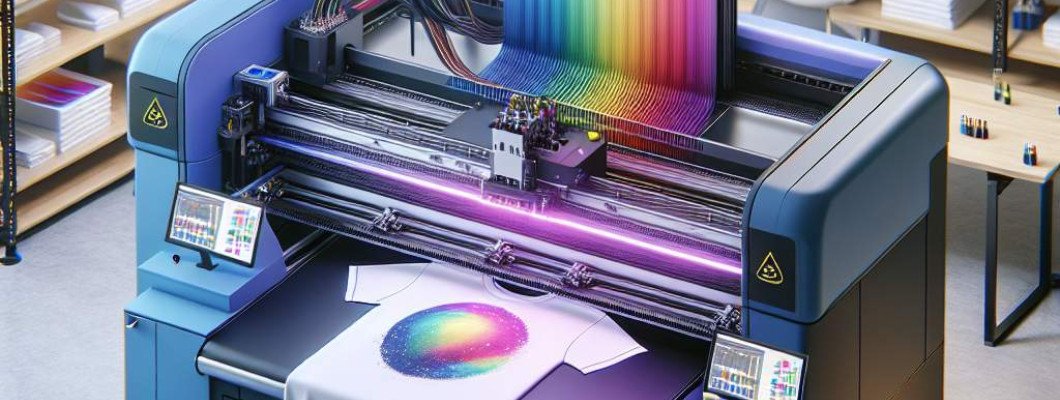
Struggling to make your t-shirt designs stand out?
If you've tried traditional screen printing or heat transfers, you know how limited they can be. You want vibrant, detailed, and durable designs, right? That"s where a DTG printer becomes a game-changer. It"s revolutionising how small businesses and hobbyists produce custom apparel. Still not convinced? Let"s dive into how a t-shirt printer, especially a direct-to-garment (DTG) one, can transform your creative process.
What Exactly Is a DTG Printer and Why Should You Care?
Understanding the Basics
A DTG printer is a device that prints directly onto fabric, similar to how an inkjet printer works on paper. Instead of screens or transfers, it uses specialized inks designed to bond with fabric fibers. This allows for stunning, detailed imagery and a level of customization that traditional methods can"t match.
For instance, imagine printing a full-color photo or intricate artwork onto a T-shirt—something that"s nearly impossible with screen printing without huge setup costs.
Benefits Over Other Printing Methods
- High-resolution details: Perfect for complex images.
- Cost-efficient for small runs: No need for expensive screens or plates.
- Quick turnaround: Print-on-demand capabilities mean less waiting.
- Soft feel: The inks sit on top of the fabric, assuring a no-scratch finish.
- Eco-friendly options: Water-based inks reduce environmental impact.
Choosing the Right T-Shirt Printer for Your Needs
Key Features to Look For
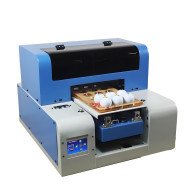
If you're considering a t-shirt printer like the A3 DTG Printer, focus on:
- Print resolution: Higher DPI means sharper images.
- Print head technology: Multiple heads mean faster production.
- Color management: Accurate color reproduction is essential—look for printers supporting white ink and a broad colour gamut.
- Ease of use: User-friendly interfaces save you time and frustration.
- Maintenance & durability: Reliable machines lower downtime.
Budget vs. Quality
Investing in a top-quality t-shirt printer pays off in the long run. Cheaper models might seem attractive but often come with headaches—poor image quality, frequent breakdowns, or high maintenance. A well-chosen DTG printer offers consistent results and can handle growing demand. If you're serious about custom apparel, spending a bit more on durability and performance is smart.
How to Maximise Your DTG Printer Investment
Preparing Your Workspace
Create a clean, dust-free environment. Dust or lint can ruin prints. Consider an air filtration system to keep the air clean. Also, ensure your workspace has good lighting for detail work. Remember, a tidy space means fewer print defects.
Design Tips for Vibrant Prints
- Keep files high-resolution: 300 dpi minimum.
- Use the right file formats: Save designs as PNGs with transparent backgrounds.
- Colour calibration: Regularly calibrate your monitors for accurate colour matching.
- Test prints: Always run test prints before full runs.
Post-Printing Care
Proper curing and washing care extend the life of your prints. Follow ink manufacturer recommendations strictly, which usually involve curing shirts at specific temperatures. Educate your customers on how to care for their custom apparel for lasting results.
Real-World Success: A Small Business Story
Last year, I chatted with a friend who runs a small custom T-shirt shop. She swears by her DTG printer. She started with a basic model but upgraded to a high-end one like the A3 DTG Printer. Her designs are now more detailed, and turnaround times have halved. Her customers love the vibrant colours and soft finishes. She"s expanded her product range—selling everything from event shirts to fashion-forward streetwear. If she can do it with a medium-sized setup, so can you.
Frequently Asked Questions
1. How long does a DTG printer last?
With proper maintenance, a quality DTG printer can last 5-10 years. Regular cleaning and using genuine inks are key.
2. Is a DTG printer easy to operate?
Yes, most modern DTG printers are user-friendly, especially with touchscreen interfaces and clear instructions. Some training might be needed initially.
3. Can I print on different fabric types?
Primarily, DTG printers work best on 100% cotton. Some fabrics with a cotton blend may also be compatible, but check your printer specs.
4. What"s the cost of running a DTG printer?
Costs depend on ink, maintenance, and fabric. While initial investment is significant, per-shirt costs are low once set up. Many operators find it profitable within months.
5. How vibrant are the colours compared to screen printing?
DTG printing provides superior colour gradients and photographic details, often surpassing traditional methods in vibrancy and realism.













Leave a Comment