
Apparel startups reducing inventory pressure by adopting dtf printer centered transfer workflows
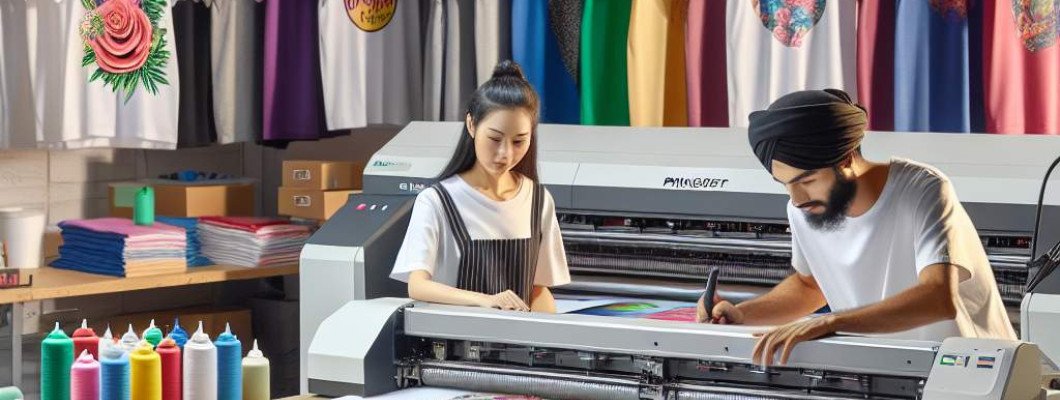
Are you an apparel startup struggling to keep up with inventory demands while trying to stay flexible and reduce waste? Do the traditional methods of bulk production and deep inventory planning feel overwhelming and costly? If so, you're not alone. Many emerging fashion brands face the challenge of balancing demand with limited resources, often leading to excess inventory or missed opportunities. The good news is that adopting innovative transfer workflows centered around DTF (Direct-To-Film) printers can revolutionize your inventory management. This approach not only reduces storage pressures but also brings agility and customization to your production line.
Imagine chatting with a friend who recently launched a small apparel brand. She was overwhelmed with large inventories of designs that sometimes didn't sell as expected. Her breakthrough came when she switched to a DTF printer-centered transfer workflow. Now, she produces on demand, minimizes waste, and can easily update designs based on trends. This story is increasingly common among startups embracing digital textile solutions that align with fast-changing fashion demands. So, why is this shift so impactful?
Understanding DTF Printing and Transfer Workflows
Before diving into how DTF printers can help your apparel startup, it"s essential to grasp what DTF printing is and why it"s gaining popularity. DTF printing involves printing designs directly onto a special film, which is then transferred onto fabric using heat and pressure. Unlike traditional screen printing or direct-to-garment (DTG) methods, DTF offers exceptional flexibility, vibrant colors, and durability.
Adopting a DTF-centered transfer workflow means integrating this digital printing technology into your production line. This approach enables you to produce printed apparel with minimal setup, shorter lead times, and low inventory risk. The process allows you to print only what"s needed, eliminating large batch production and reducing storage costs—crucial advantages for startups with limited capital.
How DTF Transfer Workflows Reduce Inventory Pressure
- On-Demand Production: Instead of producing large batches based on forecasts, you print on demand. When a customer orders, you create a customized or limited-run product, significantly cutting excess inventory.
- Fast Turnaround Times: DTF printers can produce designs quickly, enabling rapid response to market trends or customer preferences. You don"t need to pre-print large inventories of popular designs.
- Minimal Storage Space: Since your printing setup can produce small batches or single pieces, your need for large warehousing disappears. This saves costs and makes your business more agile.
- Flexibility in Design and Personalization: Customers love personalized products. DTF workflows allow you to customize designs without the risk of excess stock, increasing sales and customer satisfaction.
- Reduced Waste and Overstock: Traditional methods may lead to unsold inventory, but DTF minimizes waste by aligning production closely with actual demand.
Implementing a DTF-Centered Transfer Workflow in Your Startup
Transitioning to a DTF-based workflow involves several strategic steps. Here"s a straightforward guide to help you integrate this technology effectively:
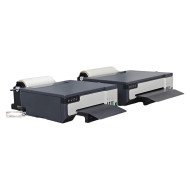
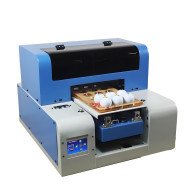
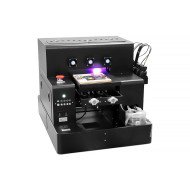
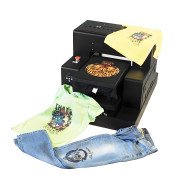
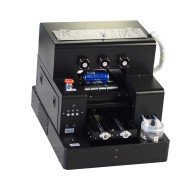
- Invest in a Quality DTF Printer: Choose a reliable model that offers consistent print quality and durability. For a start, consider models like the A3 T-Shirt Printing Machine DTG & DTF Printer.
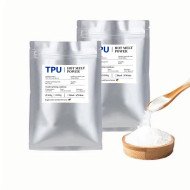
- Source High-Quality Films and Inks: Your prints" durability and vibrancy depend on quality materials. Always opt for reputable suppliers to ensure the best results.
- Train Your Team: Proper training on operation, maintenance, and workflow processes is crucial for maximizing efficiency and output quality.
- Optimize Design Files: Prepare scalable, high-resolution designs tailored for DTF transfers. Use professional design software to ensure sharp, vibrant prints.
- Establish a Just-in-Time Production System: Sync your order management system with your printing process to produce garments only after purchase confirmation.
- Integrate Online Platforms: Connect your order pipeline to online marketplaces or your website for seamless order fulfillment.
By following these steps, your startup can streamline operations, reduce inventory costs, and respond swiftly to market trends. The initial investment in DTF technology pays off by giving you control over production and inventory management.
Benefits of DTF Transfer Workflows Beyond Inventory Management
- Enhanced Design Freedom: DTF allows printing on a variety of fabrics, including cotton, polyester, and blends, giving you versatility in product offerings.
- Lower Setup Costs: Unlike screen printing, which requires extensive setup, DTF needs minimal preparation—ideal for small runs and prototypes.
- Sustainable Production: Producing only what is ordered reduces waste and minimizes environmental impact, aligning with eco-conscious consumer trends.
- Higher Profit Margins: Reduced waste, faster turnaround, and the ability to sell personalized products allow for premium pricing and improved margins.
Case Study: A Startup"s Success with DTF Technology
Take Linda"s story, for example. She launched a custom apparel business with limited startup capital. Initially, she faced challenges with overproducing inventory that didn't sell, tying up her cash flow. After switching to a DTF printer and embracing on-demand transfer workflows, Linda saw immediate benefits:
- Reduced inventory costs by 70%
- Cut production time from two weeks to just a few days
- Expanded her design portfolio without increasing overhead
- Responded swiftly to customer requests for customization
Today, her brand is growing steadily, with happy customers and a lean inventory model—all thanks to DTF technology that keeps her flexible and efficient.
FAQs About DTF Printing and Apparel Startup Workflows
1. Is DTF printing suitable for all types of fabrics?
Yes, DTF printing works well on a wide variety of fabrics, including cotton, polyester, blends, and synthetic materials. It"s particularly valued for its versatility and durability across different textiles.
2. How does DTF transfer compare to traditional screen printing?
DTF offers faster setup, lower minimum order quantities, and more detailed and vibrant designs. It also allows for easy customization, making it ideal for small batches and personalized products.
3. What are the initial costs of implementing a DTF workflow?
The main investments include a DTF printer, transfer films, inks, and training. While there is an upfront expense, the reduced waste and faster production times can lead to long-term savings and higher profits.
4. Can DTF printing handle high-volume production?
While DTF is excellent for small to medium runs, advances in commercial-grade printers can handle higher volumes. For large-scale manufacturing, it's beneficial to evaluate your production needs and choose equipment accordingly.
5. Is DTF technology eco-friendly?
Compared to traditional methods, DTF produces less waste and uses environmentally friendly inks. Producing on demand further reduces overproduction and excess inventory, supporting sustainable manufacturing practices.
Embracing a DTF printer-centered transfer workflow empowers apparel startups to reduce inventory pressure, stay flexible, and respond swiftly to market trends. This shift enhances not only inventory management but also design versatility and customer satisfaction. For those ready to take their apparel business to the next level, exploring DTF printing could be the game changer they need.





Leave a Comment