
Future Trends in DTG Printer Ink Technology and Eco-Friendly Printing
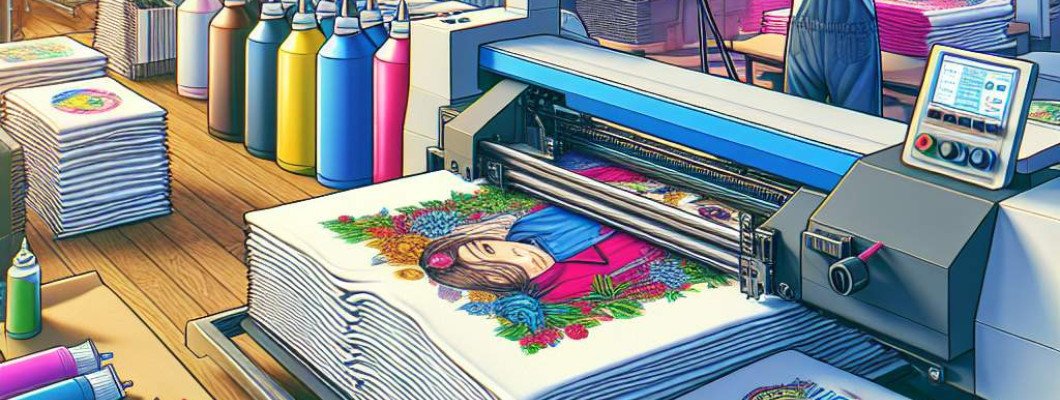
Struggling to keep up with the latest in DTG printer ink technology and eco-friendly printing?
If you"re in the textile and printing industry, you"ve probably noticed how fast things are evolving. Customers want vibrant designs, but they also care about sustainability. The good news? The future of DTG (direct-to-garment) printing is brighter—and greener—than ever before. In this article, I"ll walk you through key trends shaping this space and what they mean for your business.

Why Eco-Friendly Printing Matters More Than Ever
Growing Consumer Awareness
Today"s consumers are more conscious of environmental issues. They prefer brands that prioritize sustainability. When they see eco-friendly inks and greener processes, they feel better about their purchases. This isn"t just a trend—it"s a new standard. Incorporating eco-friendly printing can boost your reputation and attract a broader audience.
Regulatory Changes & Industry Push
Governments worldwide are tightening regulations on chemical usage and waste disposal. Manufacturers are under pressure to develop inks that are less toxic and more biodegradable. By adopting these advanced inks early, you can stay ahead of regulations and avoid costly compliance issues. Trust me, it"s a proactive move that pays off long-term.
Emerging Trends in DTG Ink Technology
Water-Based & Bio-Based Inks
Water-based inks have been around, but recent innovations have made them even more durable and vibrant. They contain fewer harmful chemicals and are easier to wash out. Now, bio-based inks—made from renewable resources like plant oils—are gaining traction. They offer a true eco-friendly alternative without sacrificing quality. Imagine printing bright, detailed designs while reducing your ecological footprint.
Hybrid Inks & UV-Resistant Formulations
Companies are now developing hybrid inks that combine the best of multiple worlds—vivid colors with environmental safety. UV-resistant inks extend the lifespan of printed designs, making them perfect for outdoor apparel. These inks are less toxic and lessen environmental impact, fitting perfectly into future-proof printing strategies.
Digital Innovations & Smart Inks
Let"s not forget the tech side. Smart inks that change color with temperature or light are coming into play. They open exciting new possibilities for creative designs and interactive garments. As these technologies mature, expect greater flexibility, sustainability, and engagement from printed apparel.
How Eco-Friendly Printing Enhances Your Business
Cost Savings & Efficiency
While some eco inks may seem more expensive upfront, they often reduce waste and cleanup time. Using water-based or biodegradable inks can minimize the need for hazardous waste disposal and lower long-term costs. Plus, eco-friendly inks often require less energy for curing, making your process more efficient.
Brand Reputation & Customer Loyalty
Consumers appreciate brands that visibly commit to sustainability. Showcasing your eco-friendly printing practices can boost loyalty and even allow you to command premium prices. If you look at brands that have embraced green tech, they often stand out in a crowded market. Making that switch is all about aligning with your customers" values.
Environmental Impact & Industry Responsibility
Adopting greener inks and processes isn"t just good marketing—it's the right thing to do. The textile industry is one of the biggest polluters, and pushing for eco-friendly solutions makes a tangible difference. Small actions like switching to non-toxic inks can add up to significant environmental benefits. Plus, it sets an example for others in the industry.
Practical Tips for Transitioning to Eco-Friendly DTG Printing
- Research & Test: Not all eco inks are created equal. Test different brands to find the best fit for your equipment and desired results.
- Update Your Equipment: Ensure your printers can handle the new inks, especially if switching to water-based or bio-based formulations.
- Train Your Staff: Proper application is crucial for durability and color vibrancy. Short training sessions can go a long way.
- Partner with Reputable Suppliers: Work with companies who prioritize sustainability and quality, like GNFEI.
- Market Your Eco Efforts: Highlight your green initiatives on your website and social media. Consumers love to support eco-conscious brands.
Remember, the shift to eco-friendly inks is not just a trend; it"s a strategic move that can differentiate your business and foster customer trust. I"ve chatted with several clients who made the switch, and the feedback has always been positive — better quality, happier customers, and a clearer conscience.
Looking Ahead: The Future of Eco-Friendly DTG Printing
The future is bright for sustainable textile printing. Expect continued innovation, smarter inks, and tighter regulations that push the industry forward. Companies investing now in eco ink technology will enjoy a competitive edge and become leaders in responsible manufacturing.
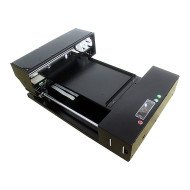
If you want to explore the latest in DTG printer options, check out GNFEI"s A3 DTG Printer. It's designed with eco-friendly printing in mind, ready to carry your business into the green future.
FAQs
1. Are eco-friendly inks as durable as traditional inks?
Yes, many modern eco inks offer comparable durability and color vibrancy. Advances in formulation have closed the gap significantly.
2. Can I use eco inks with my existing DTG printer?
Most printers need compatible inks; check with the manufacturer or supplier to ensure your equipment supports eco-friendly options.
3. How much does switching to eco-friendly inks cost?
The initial investment may be higher, but savings on waste disposal and energy often offset this over time. Plus, branding benefits can boost sales.
4. Is eco-friendly printing suitable for all types of textiles?
Generally, yes. Water-based inks work well on cotton and blends. Some bio-based inks are versatile and can be used on a variety of materials with proper settings.
5. What are the biggest challenges in transitioning to green printing?
Finding reliable eco-friendly inks that match your quality standards, and adapting your workflow, are often the main hurdles. Training staff helps overcome these challenges.













Leave a Comment