The Gap Between DIY and Industrial-Grade Printing Analyzing Hidden Bottlenecks
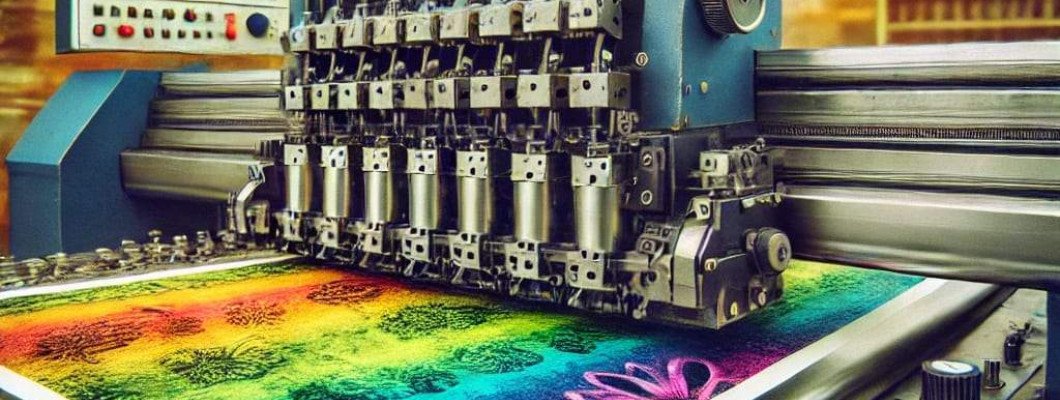
The Industrial Reality
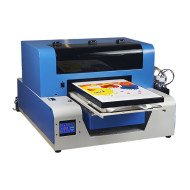
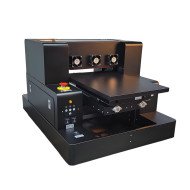
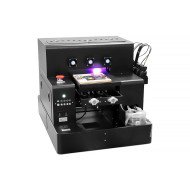
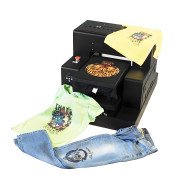
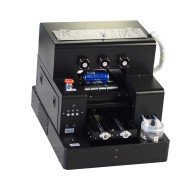
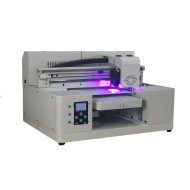
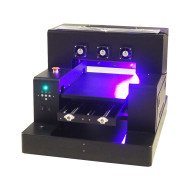
In the growing world of customized apparel, the gap between DIY and industrial-grade T-shirt printing technology raises persistent challenges. Small businesses often face limitations with entry-level devices, particularly when scaling operations. The A3 T-shirt Printing Machine, capable of both Direct-to-Garment (DTG) and Direct-to-Film (DTF) printing, epitomizes this class of machinery. Yet, hidden operational bottlenecks can derail throughput, quality, and uptime.
Operators frequently grapple with issues such as inconsistent color outputs, slow print speeds, and regular maintenance requirements. These challenges stem from inadequate thermal management, inefficient ink circulation, and sub-optimal printer head alignment. Each of these factors adds friction at critical production stages, inhibiting business growth.
Technical Deep-Dive
Inconsistent Color Outputs
For any high-end artisan seeking micron-level precision, color fidelity is paramount. Variability can be induced by fluctuating operating temperature, resulting from inadequate thermal management. Maintaining an optimal range of 20-25°C minimizes color shifts.
Printer Head Alignment
Misaligned print heads can cause blurring or double imaging. Precision in alignment can be achieved using micrometer adjustments for accuracy within 10-20 microns.
Throughput Limitations
The A3 printer's speed is affected by its ink droplet size, measured in picoliters (pl). Ideal droplet size for maintaining speed without sacrificing quality is around 5-10 pl.
Maintenance Complexity
Regular maintenance cycles are crucial. Clogged nozzles can lead to downtime, necessitating manual cleanings every 50-100 prints depending on environmental conditions.
Software Integration
Seamless integration with graphic design software enhances productivity. Software lag or compatibility issues can extend processing times by up to 30%.
Scenario Analysis
Case 1: Small Business Launch
A new business experiences rapid growth. Initially relying on DIY methods, they face color consistency issues during peak demand, hindering customer satisfaction and repeat business.
Case 2: Scale-Up Transition
An established boutique transitions to an A3 printer. By optimizing thermal management and print head alignment, they report a 20% increase in throughput and reduced material wastage.
Case 3: Artisanal Focus
An artist prioritizes quality over volume. They leverage software integration to ensure precise color depth, achieving high customer satisfaction but at the expense of longer print cycles.
Expert FAQ
How does thermal management affect print quality?
Temperature fluctuations can lead to color inconsistency. Maintaining stable temperatures helps in achieving consistent outputs.
What is the recommended maintenance schedule?
Regular cleanings every 50-100 prints and biweekly recalibrations ensure optimal performance and minimize downtime.
How does ink droplet size impact operations?
Smaller droplets allow for finer detail but may slow down production speed. Balancing droplet size is crucial.
Can software integration truly optimize workflow?
Yes, efficient software integration reduces processing time discrepancies and enhances color matching precision.
What are the risks of inadequate print head alignment?
Misalignment can cause image blurring and reduced print quality, necessitating regular monitoring and adjustments.
Strategic Verdict
While the A3 T-shirt Printing Machine offers significant capabilities, understanding and mitigating operational bottlenecks is crucial. As technology advances, future iterations may address these issues, bridging the gap between DIY functionality and industrial reliability. Businesses that proactively manage these factors stand to benefit most in this evolving landscape.