The Gap Between DIY and Industrial-Grade: A3 UV Varnish DTF Printer

The Industrial Reality of High-Precision Printing
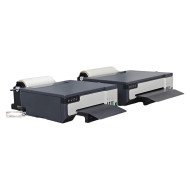
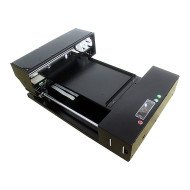
Enter the world of A3 UV varnish DTF printing, where a unique gap exists between DIY projects and industrial-grade endeavors. Navigating this space requires understanding the precision and reliability demanded by high-volume operations. As businesses seek to streamline their processes, the A3 UV Varnish DTF Printer becomes an essential consideration.
Technical Deep-Dive
Understanding UV Varnish Technology
UV varnish technology utilizes ultraviolet light to cure inks, providing durability and enhanced finish. The DTF (Direct-to-Film) process allows for intricate designs on labels, ensuring high-quality output on a variety of substrates.
Comparing Printhead Mechanics
Printheads in DTF printers operate with precision droplet technology, measured in picoliters (pl), which affects resolution and ink distribution. A comparison of 3 pl and 10 pl nozzles reveals differences in precision and ink efficiency.
| Printhead Nozzle Size | Resolution | Ink Efficiency |
|---|---|---|
| 3 pl | 1440 dpi | High |
| 10 pl | 720 dpi | Moderate |
Substrate Versatility
With capabilities to print on diverse substrates, this printer offers compatibility with materials ranging from vinyl and paper to fabric. This versatility is crucial for both quality and cost management.
Thermal Management Challenges
Effective thermal management is vital, preventing overheating in high-duty cycles. This affects not only machine longevity but also output consistency.
Infrastructure Integration
Integrating the A3 printer into existing infrastructure poses challenges, particularly concerning network capabilities and spatial requirements. Proper planning mitigates these concerns, ensuring seamless operation.
Scenario Analysis
Consider a small manufacturing business seeking to upgrade its label printing capabilities. The A3 printer offers numerous advantages, including enhanced resolution and substrate compatibility.
Alternatively, an artisan-focused enterprise may prioritize printhead precision for intricate designs, taking full advantage of the machine's capabilities.
For the IT infrastructure manager, thermal management and integration are paramount, necessitating careful planning and potentially additional investment.
Expert FAQ
What are the key differences between DTF and DTG printing?
DTF involves printing onto a film before transferring to the substrate, enabling versatility across materials. DTG directly prints onto garments, offering less flexibility.
How does UV curing enhance print durability?
UV curing hardens inks, making them resistant to scratches and environmental factors, ensuring longevity.
What substrate options are supported by the A3 printer?
Suggested substrates include vinyl, paper, synthetic materials, and some fabrics, catering to diverse printing needs.
What are the implications of thermal management failure?
Insufficient thermal management can lead to machine downtime, impacting production schedules and resulting in maintenance overheads.
Is there a significant ROI on transitioning to industrial-grade printers?
While initial costs are higher, long-term savings in efficiency, material usage, and reduced downtime justify the investment.
Strategic Verdict
The A3 UV Varnish DTF Printer Machine bridges a critical gap between DIY and industrial-grade printing solutions. With superior technology and operational efficiencies, it positions businesses to leverage high-quality, durable prints. Overcoming infrastructure challenges and ensuring reliable thermal management are essential for maximizing its potential.