Navigating the Gap Between DIY and Industrial Nail Printer Technology

Navigating the Gap Between DIY and Industrial Nail Printer Technology
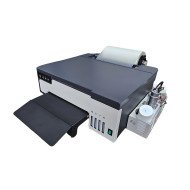
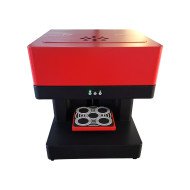
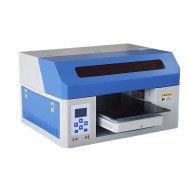
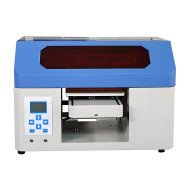
In the niche realm of nail art printing, a profound divide exists between consumer-grade products and their industrial counterparts. The DIY Nail Printer Nail Art Design Model 3d Digital Intelligent Nail Art Printing Machine embodies this distinction, highlighting the stark technological and operational differences.
Understanding the Technological Divide
The DIY Nail Printer offers accessibility and creativity, allowing individuals to explore nail art without needing professional skills. However, industrial-grade machines deliver unmatched precision and durability, catering to high-volume demands.
Table: DIY vs Industrial Nail Printers
| Feature | DIY Model | Industrial Model |
|---|---|---|
| Print Precision | 50 dpi | 1200 dpi |
| Ink Durability | Short-term | Long-term |
| Operational Capacity | Single user | Enterprise-level |
Technical Deep-Dive into Print Quality
Print quality in nail art is determined by several factors including stencil precision, ink composition, and substrate compatibility. DIY models often use basic CMYK mixes while industrial models incorporate advanced pigment chemistry for vibrant colors and lasting designs.
Hypothetical Math in Hardware Stress
Consider ink delivery mechanisms: a DIY model may use 1.5 pl drop sizes while industrial machines can utilize 0.5 pl for finer detail, resulting in a 3x improvement in clarity.
Infrastructure Integration Challenges
For businesses considering industrial models, integration into existing production lines poses challenges such as thermal management and power requirements. Typically, industrial nail printers require 1200 Watts compared to DIY’s minimal consumption of 150 Watts, necessitating infrastructure upgrades.
Global Supply Chain Variances
Regional manufacturing differences impact components availability. Industrial-grade machines are often dependent on specialized regional suppliers for critical parts like printheads, affecting scalability.
Lifecycle Maintenance Costs Analysis
The average DIY nail printer might offer lower upfront costs but increased maintenance frequency. Industrial printers, although costly initially, promise a longer lifecycle with periodic maintenance.
Scenario Analysis: Business Use-Cases
Small Salon Owner: Considers ease of use and low-cost DIY models for client customization. Prioritizes frequency of printer maintenance and ink cost.
Large Scale Nail Art Manufacturer: Chooses industrial models for batch production efficiency, requiring precise color fidelity and substrate versatility across various materials.
Event-Based Nail Art Provider: Focuses on portability and quick setup, opting for mobile DIY solutions but sacrificing high-definition prints.
Expert FAQ
Q: How does ink chemistry affect print quality?
A: Ink formulation impacts color vibrancy and adherence; industrial models often use proprietary blends for better outcomes.Q: What is the significance of printhead technology?
A: Printhead precision influences resolution; industrial printers excel with advanced micro-piezo technology.Q: Are DIY models suitable for high-definition designs?
A: Generally, no. The limitation in dpi translates to reduced detail and resolution.Q: How do substrate types affect printability?
A: Substrate compatibility varies; industrial printers often support multiple types due to adaptable design heads.Q: Is thermal management crucial in these machines?
A: Yes, especially in industrial models where operational heat affects component integrity.
Strategic Verdict
The trajectory of nail art printing technology pushes towards fine balance between accessibility and industrial-grade precision. DIY models facilitate user creativity but are limited by technical constraints. Industrial models offer robust features but require significant investment and infrastructure. The future balance between these technologies will likely hinge on advancements in component miniaturization and ink chemistry.