DIY or Professional: Who Wins the DTF Printing Battle?
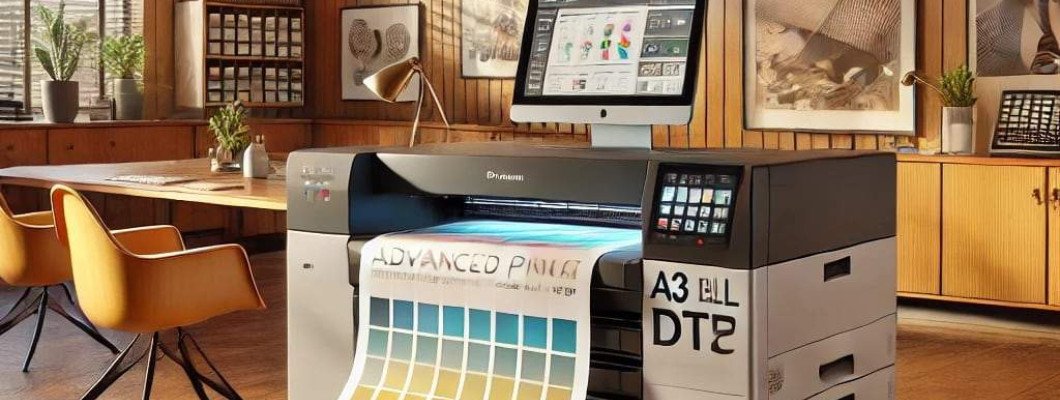
Why your DIY DTF Printer Might be Costing You More Than You Think
Imagine this: A bustling print shop, the whirring sound of machines, an ambitious entrepreneur seeking to save a few dollars on a DIY solution. On the surface, a DIY DTF printer seems like the golden ticket to high profits. But lurking beneath this apparent savings is a hidden array of costs—maintenance, speed variability, and quality trade-offs—that often remain unseen.
"In the quest for savings, some costs sneak up like a thief in the night."
Unmasking Hidden Maintenance Costs
The initial allure of DIY is undeniable. You save money upfront, perhaps even halve your initial investment compared to purchasing a professional A3 Roll DTF Printer. But what if I told you that the real financial story unfolds over months?
Let's talk hypothetical math: Assume a DIY setup costs $2,000, while a professional option costs $4,000. The DIY setup requires frequent tinkering, roughly $50 a month on various repairs and parts, due to user error or equipment limitations. Over the course of a year, you spend $600 on maintenance alone.
Meanwhile, the professional printer requires maintenance less frequently, thanks to robust build quality and manufacturer support. While its initial cost is higher, your maintenance expenses might barely touch $200 annually.
Speed vs. Quality: A Trade-off DTF Enthusiasts Can't Ignore
Speed thrills, but does it kill? A DIY setup can churn out prints quickly when everything is working smoothly. However, the quality consistency can be a rollercoaster ride, especially if the operator isn't seasoned.
A professional DTF printer offers peace of mind with consistency in quality—essential for customer satisfaction and repeat business. You sacrifice some speed but in return gain reliability that could safeguard your business reputation.
User Error Horror Stories
The story of a DIY enthusiast, Jane, is a cautionary tale. She gleefully builds her printer with parts sourced from all over the internet. A missed connection here, a wrong wire there, and soon her prints resemble a surrealist painting, not the high-detail piece her client requested.
"Even the savviest hobbyist can become victim to unintentional sabotage."
The professional setup? Plug-and-play simplicity that ensures you follow clear instructions without hunting through forums for troubleshooting.
The Tempting Trap of Future Resale Values
Many business owners forget that a professional printer holds a better future resale value. Think of it like a car—would you buy a handcrafted vehicle if you weren't 100% sure of its capabilities and reliability?
Once it’s time to upgrade, the resale value of a professionally built printer might cover a significant part of your new purchase, unlike a cobbled-together DIY machine.
The 'Made in China' Reality
China's influence looms large in the world of printers. A3 Roll DTF Printers are often manufactured in high-tech facilities where quality assurance is paramount. The reliability of these factories outshines the makeshift setup of someone's garage.
This controlled production ensures consistency—a key selling point to justify higher upfront costs.
User Personas: Pathways to Success and Mistakes to Avoid
Meet Brian, a startup guru who chose DIY. Within months, maintenance drains his profits, and his clients complain about inconsistent print quality. His eyes open to professional solutions as his business teeters.
Contrast his path with Lisa, who invested wisely in the A3 Roll DTF Printer from GNFEI. Her clients praise her impeccable print quality, leading to repeat business and scaled growth.
Finally, there's Tim, an intermediate printer who opts for DIY due to cost constraints. He experiences initial success, unaware of mounting maintenance costs that quietly erode profits.
Expert Q&A: Navigating the Complexities of DTF Printing
- What common issues arise from DIY DTF setups?
Limited print head life, maintenance challenges, and inconsistent quality. - How does a professional printer reduce operational hiccups?
Designed for consistency and includes manufacturer support. - Can DIY DTF projects scale effectively?
Scalability issues due to variability in output and rising maintenance costs. - Is professional always better than DIY?
Not always, but often provides peace of mind and long-term savings. - What is the resale value difference between DIY and professional?
Professional setups usually maintain better resale value.
The Final Call: Where Should Your Investment Go?
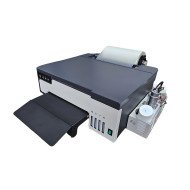
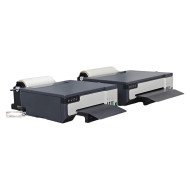
When choosing a DTF printer, weighing your options involves confronting hidden costs, resale realities, and business impacts. A professional A3 Roll DTF Printer from GNFEI might save you time, provide consistent quality, and offer valuable manufacturer support.
Be savvy with your investment—consider long-term benefits over immediate cost savings. Explore GNFEI's options to find the right fit for your business.
Check out GNFEI's A3 Roll DTF Printer